
 Save
Yarn weight is thickness, not mass. A ball of lace weight and a ball of chunky can both weigh 100 grams; one contains 800 metres of thread and the other 80 metres of rope.
Part of our supplies library.
That is why metreage matters more than grams when you are buying for a project. A pattern asking for 1,400 metres is asking for a fixed amount of yarn. A pattern asking for “seven balls” is assuming a ball size that may not match what your shop sells.
The names differ by country and overlap confusingly. Aran and worsted are close but not identical. UK double knitting and US light worsted are the same thing. The standard number in brackets is the only reliable identifier.

Lace, 0
Advanced1.5 to 2.25 mm
Thread weight, used for doilies, snowflakes and fine shawls. Slow and unforgiving, and the results are the most impressive thing crochet does.
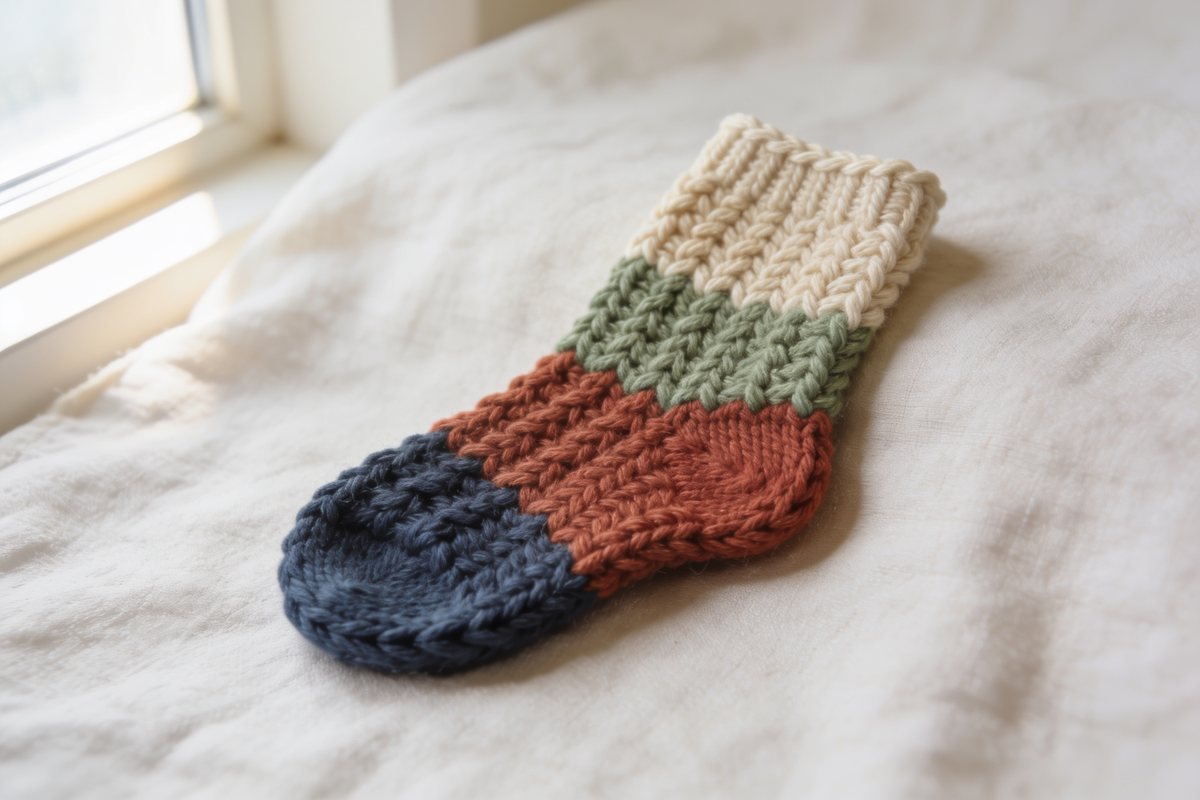
Super fine, 1
Intermediate2.25 to 3.5 mm
Also called fingering, sock or 4 ply. Socks, fine amigurumi, lightweight shawls.

Fine, 2
Intermediate3.5 to 4.5 mm
Sport weight. Baby garments and light summer tops. Less common than the tiers either side.
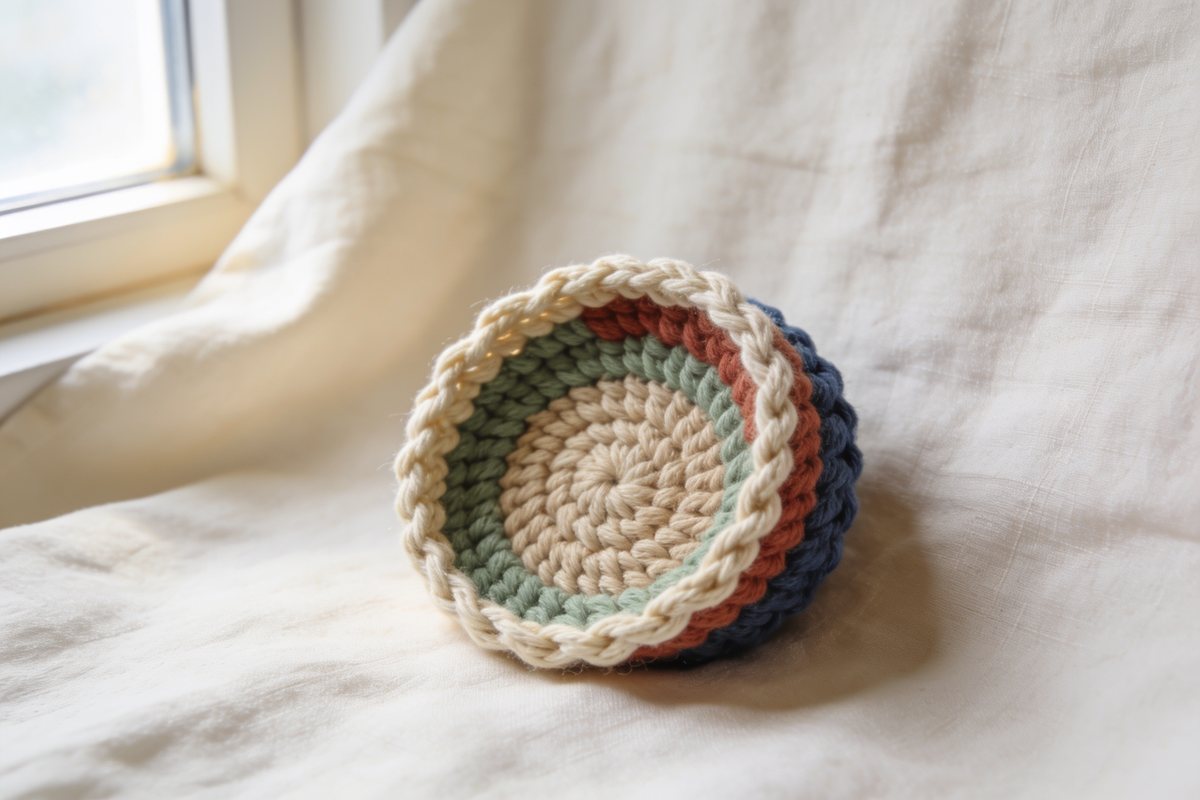
Light, 3
Beginner4.5 to 5.5 mm
DK, or double knitting. The European default for garments, and a good middle ground.

Medium, 4
Beginner5.5 to 6.5 mm
Worsted or aran. The most common weight in free patterns and the one to learn on.
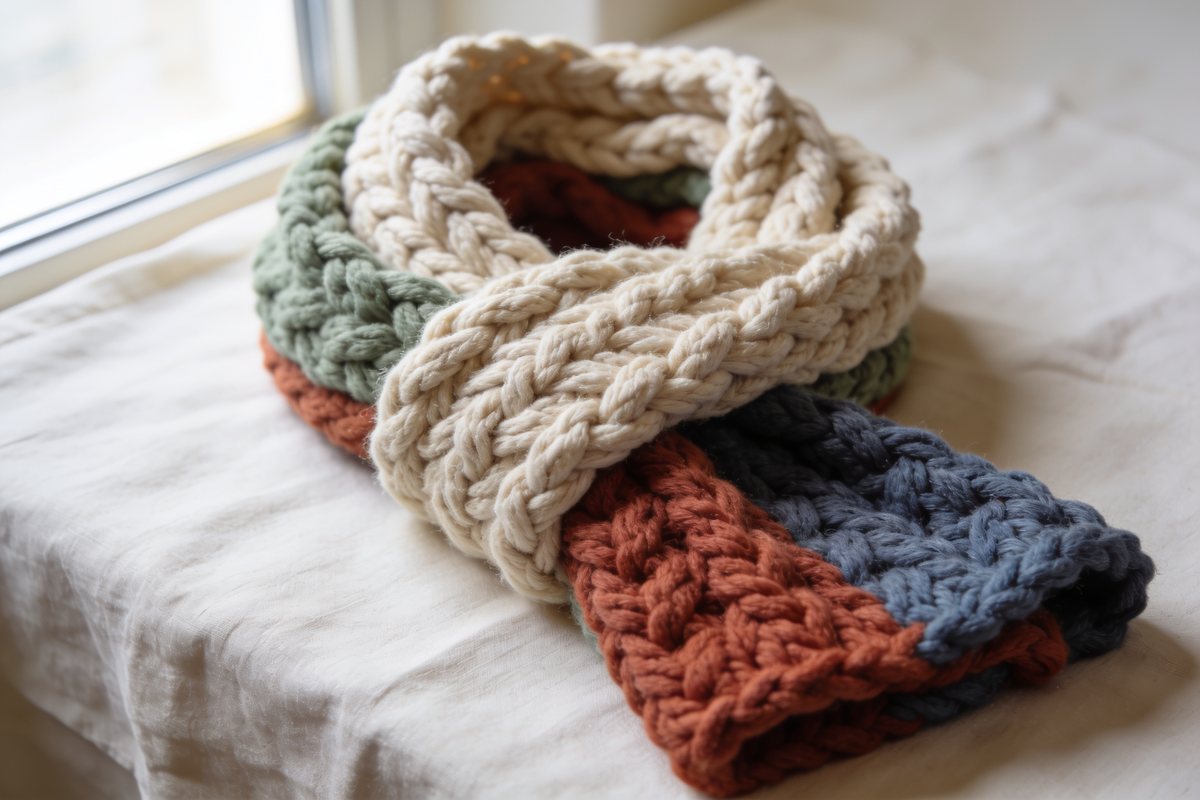
Bulky, 5
Beginner6.5 to 9 mm
Chunky. Fast scarves and blankets. Finishes in a third of the time of worsted.

Super bulky, 6
Beginner9 to 15 mm
Super chunky. A blanket in a weekend, and heavy enough that garments go out of shape.

Jumbo, 7
Beginner15 mm and up
Arm-knitting territory. Rugs, floor cushions, and novelty blankets that shed.
The name in every system
| Number | US | UK | Australia | Metres per 100 g |
|---|---|---|---|---|
| 0 | Lace | 1 to 3 ply | 2 ply | 600 to 1,000 |
| 1 | Fingering | 4 ply | 4 ply | 350 to 450 |
| 2 | Sport | 5 ply | 5 ply | 250 to 350 |
| 3 | DK | DK | 8 ply | 200 to 260 |
| 4 | Worsted | Aran | 10 ply | 150 to 200 |
| 5 | Bulky | Chunky | 12 ply | 100 to 150 |
| 6 | Super bulky | Super chunky | 14 ply | 50 to 100 |
| 7 | Jumbo | Jumbo | – | Under 50 |
How much you need
| Project | DK | Worsted | Bulky |
|---|---|---|---|
| Hat | 150 m | 120 m | 90 m |
| Scarf | 400 m | 350 m | 250 m |
| Baby blanket | 900 m | 750 m | 550 m |
| Throw | 1,800 m | 1,500 m | 1,100 m |
| Adult jumper | 1,600 m | 1,300 m | 1,000 m |
Buy one extra ball of anything you will need more than four of, and keep the band. Dye lots differ visibly, and a shop will usually take an unused ball back but will never have your lot in stock three weeks later.
Questions
What yarn weight should a beginner use?
Worsted, number 4, sometimes called aran. Most free patterns use it and every shop stocks it.
Is aran the same as worsted?
Close enough to substitute in most patterns. Aran is very slightly thicker, which matters for a fitted garment and not for a blanket.
What does DK stand for?
Double knitting. It is a weight, number 3, sitting between sport and worsted.
Why do patterns give metres rather than balls?
Because ball sizes vary by brand. Metreage is the only figure that describes how much yarn you actually need.
Can I substitute one weight for another?
Yes, if you adjust the hook and check gauge. The finished size will change, so it is risky on anything that has to fit.
What is the fastest yarn to crochet with?
Super bulky. A blanket that takes forty hours in worsted takes about fifteen in super bulky.